
“As humans, we’re skeptical of everything, but we trust our eyes,” said Sanjay Suchak, a former Karsh Institute practitioner fellow and freelance photojournalist based in Virginia. “If we see something happen, we believe it’s real. People trust what they see, even when it’s fabricated.”
Using images to help tell a story is older than photography itself. Today, photographs and videos are central to accountability in American democracy—from frontline war images to livestreamed town halls and graphs tracking government spending. Visual reporting has become critical for how the public assigns responsibility and understands the world around them.
Today, photographs and videos are central to accountability in American democracy—from frontline war images to livestreamed town halls and graphs tracking government spending. Visual reporting has become critical for how the public assigns responsibility and understands the world.
“As a historian, I see photojournalism as an extraordinarily valuable public record,” said UVA Professor Emeritus John Edwin Mason, who specializes in the history of photography. “Imagery shows things that can’t always be captured in words. It often reaches us emotionally in ways language cannot.”
Still, Mason added, photojournalism always requires words, even if only a caption. “A photograph of a bombed-out building without context tells you very little. Where is it? Who bombed it? Who are the victims? Context is essential. Images alone can move us emotionally, but they cannot fully explain events.”
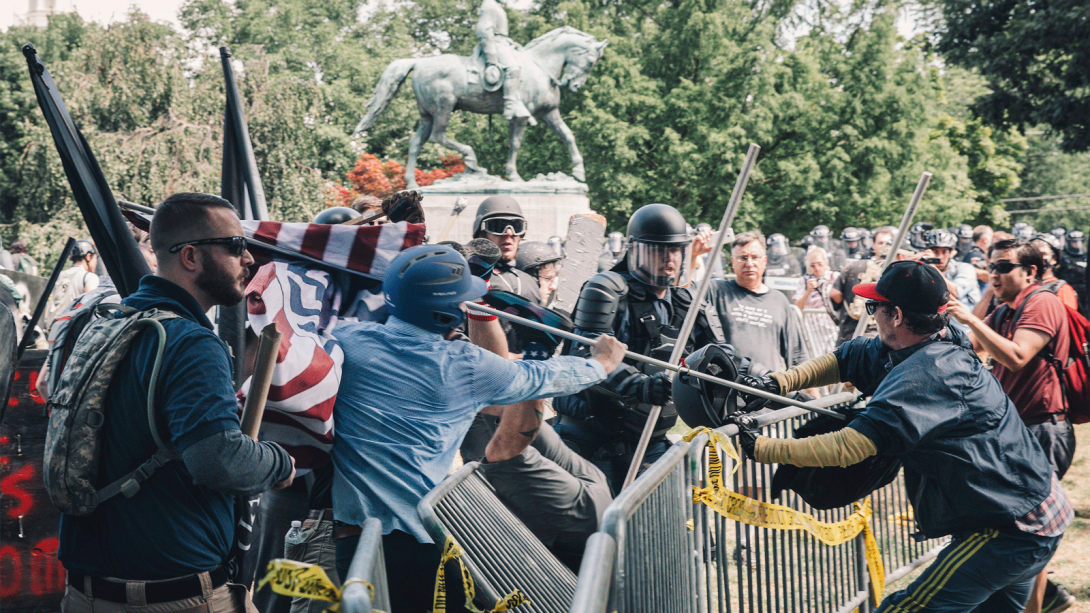
Requiring the audience to place deeper trust in the source, written text is only believed when the journalist’s interpretation is considered reliable. Visual reporting, on the other hand, invites the public to witness the evidence directly.
“Visuals are perceived as direct representations of reality, offering a form of accountability that text often can’t replicate,” said UVA media studies professor Kate Sweeney, who cites glacier photography as an example of a powerful accountability tool for climate change. Techniques such as time-lapse technology tap into human emotions to show the degree to which glaciers have melted.
“Accountability journalism is about making it hard for people in power to shrug and move on,” she added. “Once people can see it, it’s harder to deny, explain away, or ignore.”
This element of accountability can also spark societal change, as many major social movements over the past 75 years were born out of visual primary sources. “Take photographs from the Civil Rights Movement, in Birmingham, Alabama, in 1963,” said Mason. “Images of fire hoses aimed at protesters, knocking them off their feet, were widely circulated. Some viewers saw those images as horrifying—peaceful protesters being injured by high-pressure hoses. Others looked at the same photographs and thought the protesters deserved it.”
But enough people were horrified that public opinion moved to view segregation as wrong and to demand change.
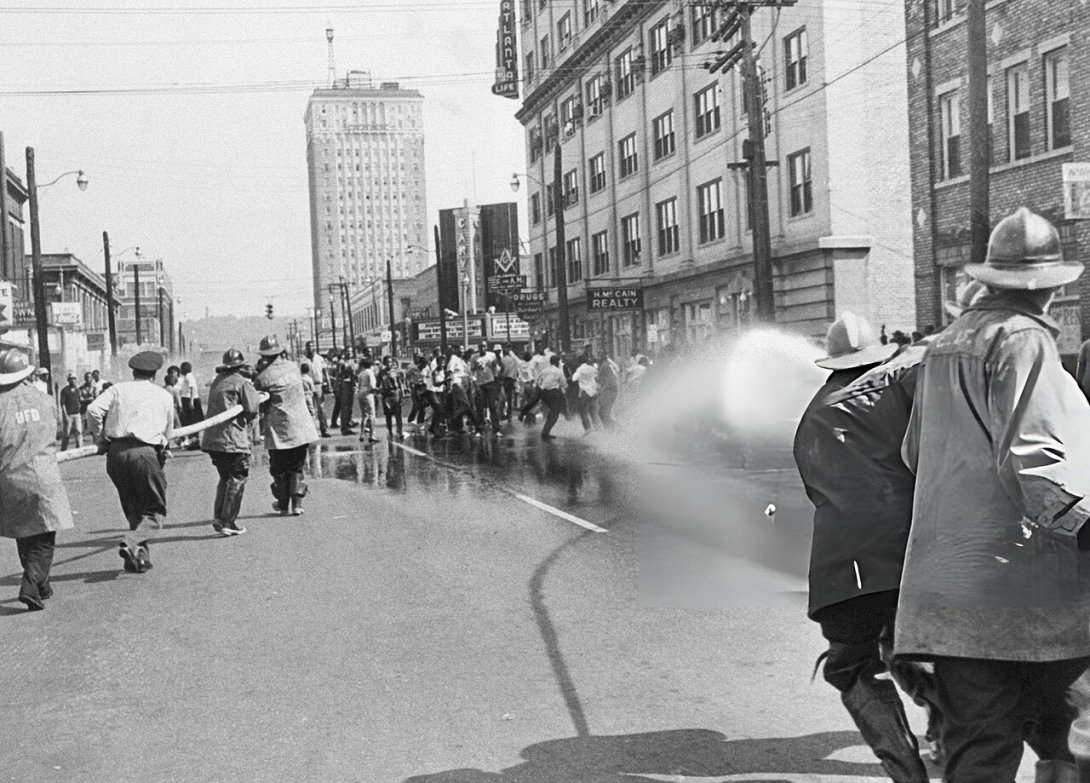
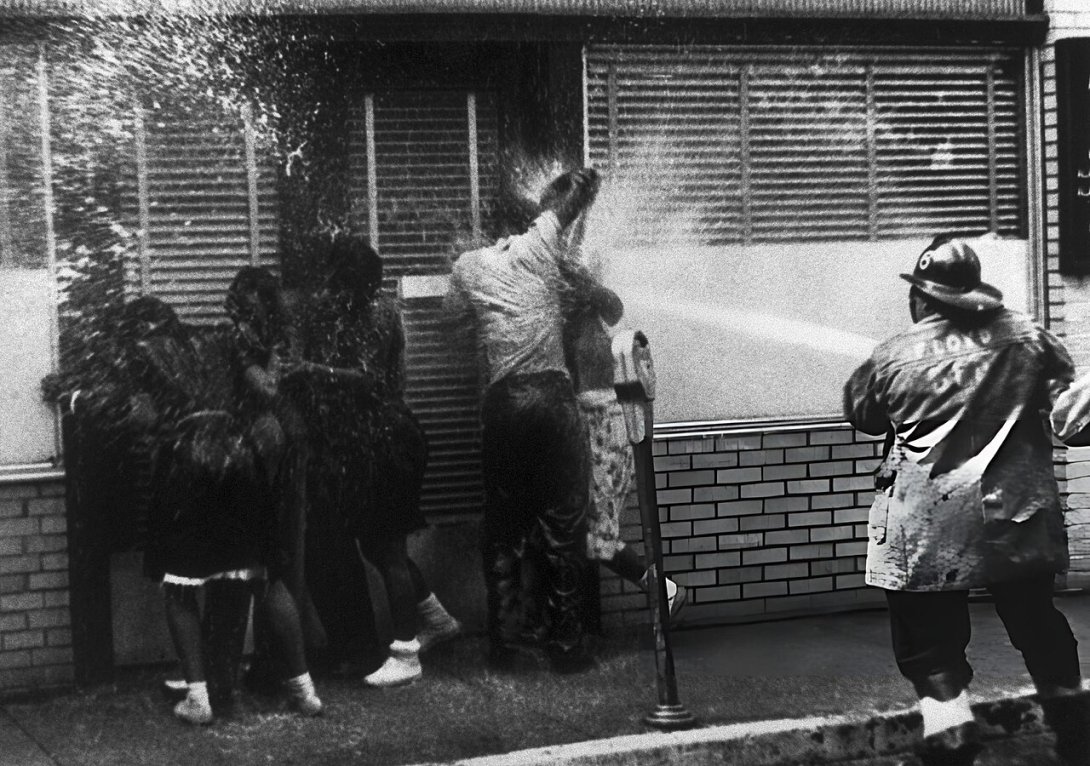
In today's digital world, that court of public opinion is even larger and acts at an amplified speed. Images and videos can go viral quickly, exposing injustice and shaping public memory. But they also can be manipulated or misunderstood.
The explosion of AI-generated photos and videos has made what we see harder to verify. “That’s what makes AI dangerous,” Suchak said, adding that over the past six to eight months, he, as a professional photographer, has had to be very specific about what he shoots and when and how he captures it to establish credibility. “The most powerful tool is context,” he explained. “I used to post images and say, ‘This happened yesterday.’ Now I provide written context—what I saw, what was said, what was happening. Adding a human voice builds trust.”
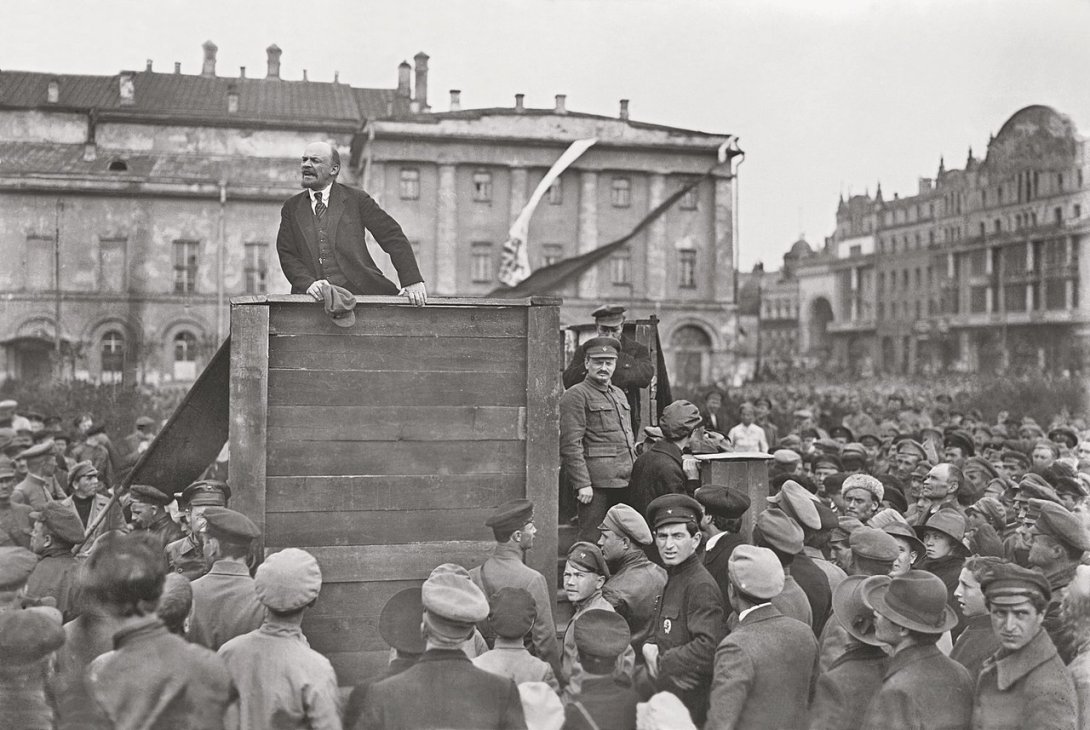
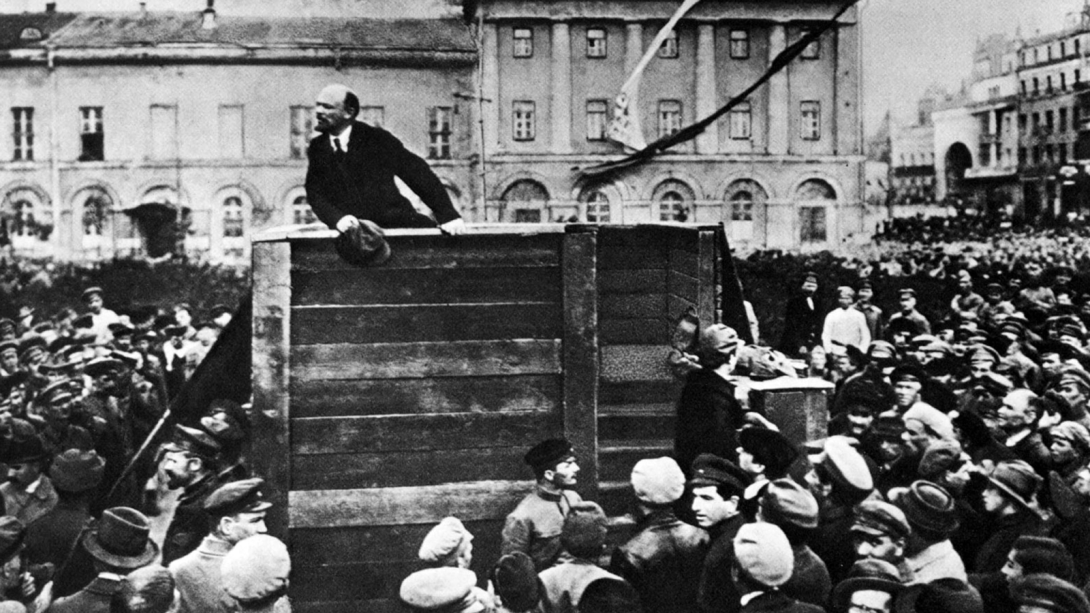
Mason cited the danger of a seemingly harmless viral AI video depicting movie stars Brad Pitt and Tom Cruise in a fight scene that never happened. “AI makes deception easy and highly convincing, especially if you’re inclined to believe, for instance, that a politician you don’t like did something foolish,” he said. “But visual deception isn’t new. In the 1930s, Soviet authorities retouched photographs to remove Leon Trotsky after he fell out of favor.”
At that time, however, the technology was crude and time-consuming. But today, manipulation is easy, accessible, and fast.
That immediacy is visual journalism’s strength and also its vulnerability, especially in today’s 24-hour news feed. “On social media, visuals often become the whole story,” Sweeney said. “Audiences usually encounter a photo or clip before any text, or instead of it. So, visuals stamp how people interpret what happened.”
Immediacy is visual journalism’s strength and also its vulnerability, especially in today’s 24-hour news feed.
Interpretation is also greatly affected by how photographers or videographers frame their shots. “Camera angle, proximity to the happening, who do we stay with? Who gets a close-up? Who is visible in the frame and who is left out?” Sweeney said. “All of this contributes to who ends up carrying responsibility in the eye of the viewer. The person or group that’s most active in the frame may end up carrying the blame when the real cause could be more layered.”
So, how do journalists achieve trust and maintain objectivity? Visual imagery is always telling a story, and sometimes that story isn't both sides. "I'm not going to manufacture balance if it's not there," Suchak said. "It used to be that journalists were implicitly trusted, and now it feels like we have to justify our objectivity. We capture only what's happening in front of the camera. If the reader draws conclusions as to the good or evil in that photograph, aren't we doing our job?"
Ultimately, visual reporting provides an essential window on the truth, as well as a check on those in power. “Beyond the three branches of government, the press is the ‘Fourth Estate,’” Suchak added. “Visual journalism is part of that check. It informs people what is happening around them so they can exercise their rights meaningfully.”